

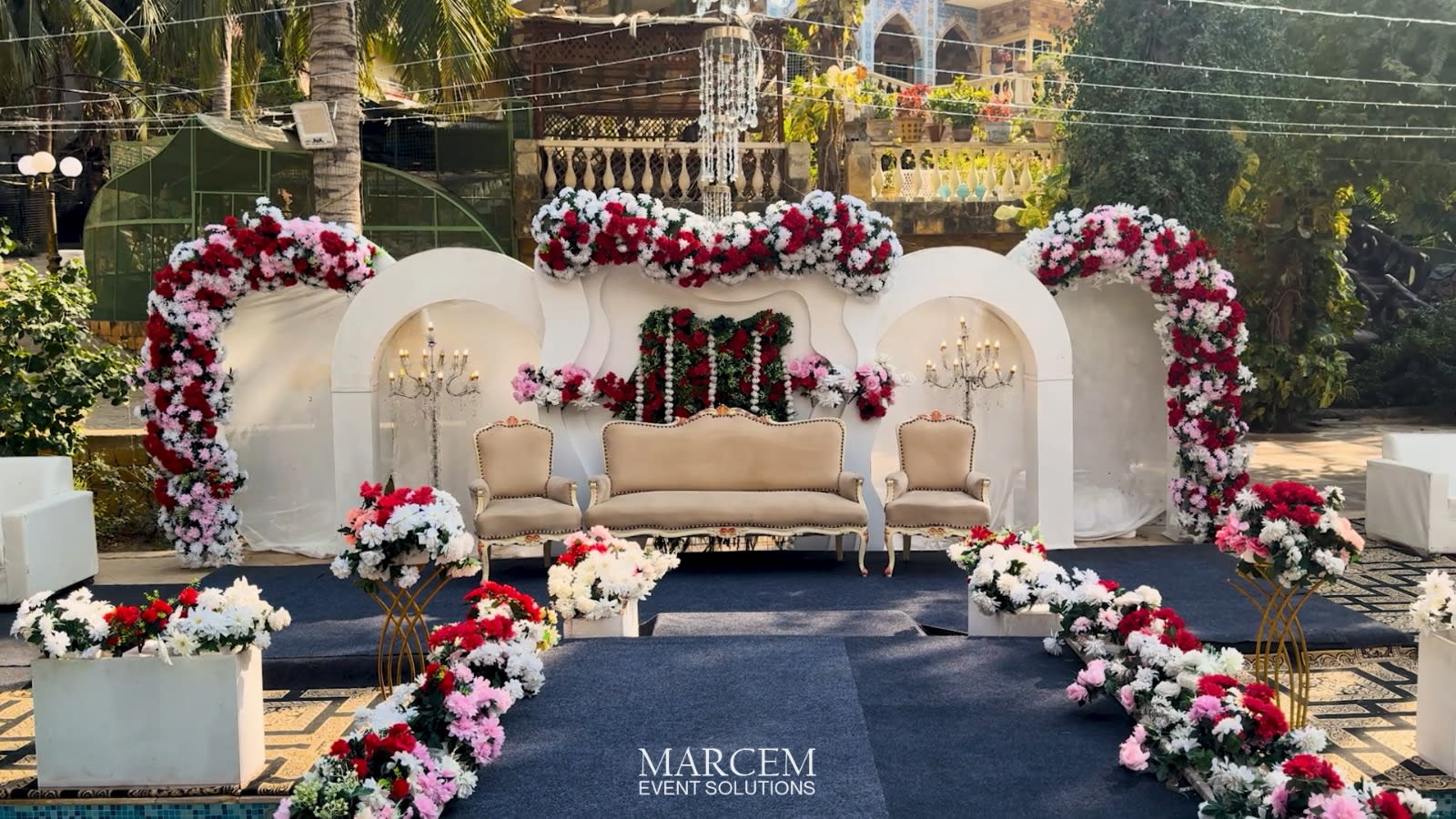

Planning a multi-day wedding in Pakistan involves coordinating several functions, each with its own guests, arrangements, schedule, and atmosphere. From a colorful Mehndi to the main Baraat celebration and a more formal Walima, every event requires careful preparation. A successful multi-day wedding plan brings all these arrangements together through a shared budget, suitable venues, coordinated vendors, and a realistic timeline.
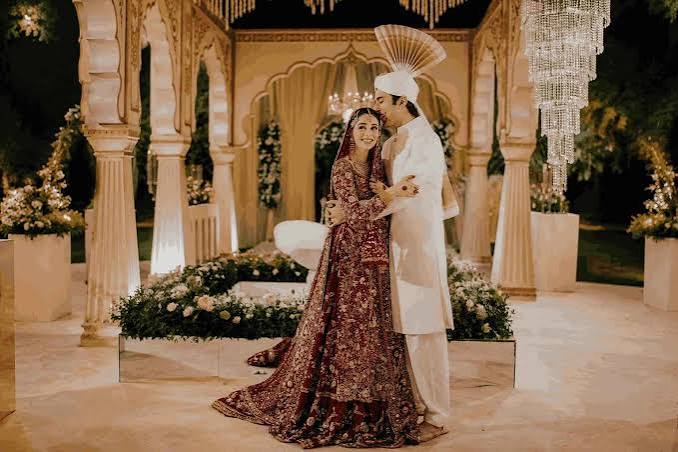
Whether the celebrations are taking place in Karachi, Lahore, or Islamabad, the key is to plan each function individually while keeping the entire wedding schedule connected. Here are seven practical steps to help families organize a smooth and memorable wedding celebration.
Understand the Purpose and Requirements of Each Wedding Function
Before booking venues or contacting vendors, identify what each function requires. Mehndi, Baraat, and Walima may be part of the same wedding celebration, but their arrangements are not interchangeable.
Working with an experienced wedding planner in Pakistan can help families understand the requirements of each function and organize the arrangements accordingly.
Mehndi: Usually the most colorful and informal function, Mehndi often includes music, family performances, traditional décor, and interactive activities. Seating should allow guests to enjoy the entertainment, while the stage and dining arrangements should support the event's lively atmosphere.
Baraat: Generally the main wedding reception, Baraat may involve the groom's arrival, the couple's entrance, formal photography, and rukhsati. Its schedule and setup should accommodate these activities without creating delays for guests.
Walima: Often organized as a more formal reception, Walima usually focuses on guest hospitality, dining, and comfortable seating. The décor may be more refined, with attention given to table arrangements, lighting, and the overall dining experience.
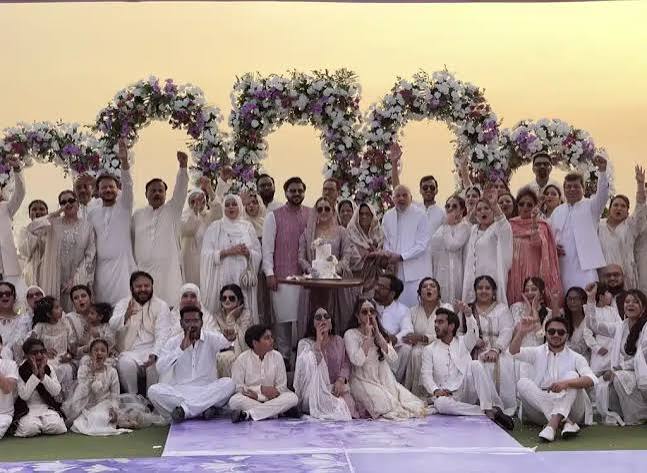
The timing and traditions of these functions can vary between families. Some may hold the Nikah separately, while others include it in the wedding-day schedule. Confirming these details early helps determine the requirements of every event.
Create One Combined Budget for All Wedding Functions
Managing separate expenses without an overall budget can make multi-day wedding planning difficult. Families should first decide how much they can allocate to the complete celebration and then divide that amount according to the requirements of each function.
Consider these major expense categories:
Venue and booking charges: Hall, marquee, farmhouse, or outdoor venue costs for each function.
Décor and stage design: Floral arrangements, entrance décor, backdrops, lighting, and seating aesthetics.
Food and catering: Menu selection, guest count, serving arrangements, and refreshments.
Photography and videography: Coverage for each function, including important family moments and couple portraits.
Entertainment: Sound systems, performers, DJs, or traditional music arrangements.
Additional arrangements: Transport, accommodation, invitations, and other family-specific requirements.
Not every function needs the same level of spending. For example, families may prioritize elaborate décor and entertainment for Mehndi while focusing more on dining and guest comfort at Walima.
Keep a contingency amount aside for unexpected guest additions, weather changes, or last-minute adjustments. Review expenses after major bookings so that one function does not consume the budget intended for the remaining celebrations.
Choose Venues According to Each Function's Needs
Venue selection affects guest experience, event logistics, and the time required to move between functions. Instead of choosing a location based only on appearance, consider its capacity, accessibility, and suitability for the planned activities.
For Mehndi, a venue with enough space for music, performances, and interactive activities can make the celebration more enjoyable. Baraat may require a larger stage, organized entrance space, and seating for a formal gathering. For Walima, convenient dining arrangements and comfortable seating may be the main priorities.
Families can consider different venue options depending on their requirements:
Banquet halls: Suitable for indoor celebrations where controlled lighting, seating, and dining arrangements are priorities.
Marquees: Offer flexibility for larger gatherings and customized stage or décor layouts.
Farmhouses and outdoor venues: Can work well for open-air celebrations, provided weather, parking, and guest facilities are properly considered.
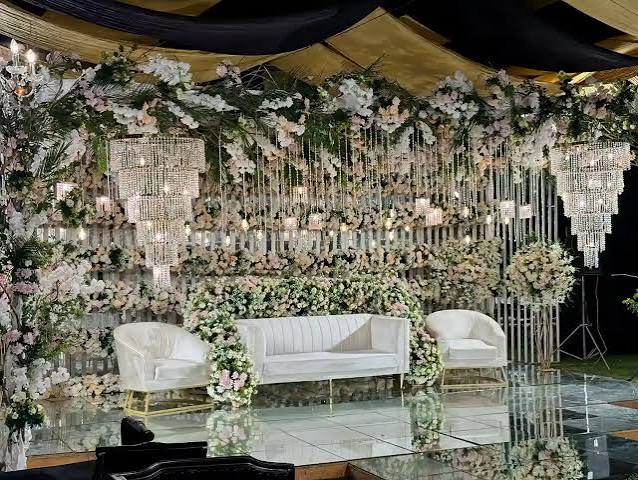
What Should Families Consider in Karachi, Lahore, and Islamabad?
Local conditions can influence venue decisions and event schedules.
Karachi: Traffic congestion and travel distances can affect guest arrival times, especially when functions are held at different venues. Consider the distance between locations, parking capacity, and convenient routes before finalizing bookings.
Lahore: Seasonal temperatures and winter fog may affect outdoor arrangements and travel schedules. Check the venue's indoor facilities and have an alternative arrangement if the weather changes.
Islamabad: Farmhouses and venues on the outskirts can offer attractive settings, but families should assess accessibility, parking, and travel time for guests coming from different parts of the city.
Using one venue for all three functions can simplify logistics, but make sure its capacity and layout suit each event. Different venues may be more appropriate when the functions have very different requirements.
Give Each Function Its Own Décor and Visual Identity
A multi-day wedding should feel like a sequence of celebrations rather than the same event repeated three times. Décor is one of the most effective ways to give each function a distinct identity.
For Mehndi, families can explore colorful floral installations, traditional seating, vibrant backdrops, and decorative lighting. The setup should complement the music and entertainment planned for the evening.
Baraat décor can have a more grand and formal appearance. A well-designed stage, coordinated entrance, floral details, and suitable lighting can create a focal point for the couple's arrival and photography.
Walima arrangements often benefit from a refined visual approach. Elegant table settings, balanced floral arrangements, subtle lighting, and a well-organized stage can create a welcoming atmosphere.
When selecting themes, consider the venue's existing design, the event's timing, and the family's preferences. Share references and color choices with the décor team before production begins. This helps maintain consistency across the wedding while allowing every function to look different.
Plan Catering Around Guest Count and Function Timings
Food is a major part of wedding hospitality in Pakistan. Since every function may have a different guest list and schedule, catering arrangements should be planned separately rather than repeating the same menu for every event.
Start by estimating the guest count for each function. The number of attendees may change between Mehndi, Baraat, and Walima, so confirm expected numbers with family members before finalising the catering order.
Next, consider the nature of each event:
Mehndi: A menu with convenient serving options can suit an evening of performances and social activities.
Baraat: Plan a complete meal service that accommodates the expected guest count and event schedule.
Walima: A formal dining arrangement with a carefully selected menu can complement the reception.
Discuss menu options, serving staff, food stations, timing, and dietary requirements with the caterer. Also confirm when food preparation and service will begin, particularly if the event schedule includes a couple's entrance or formal photography.
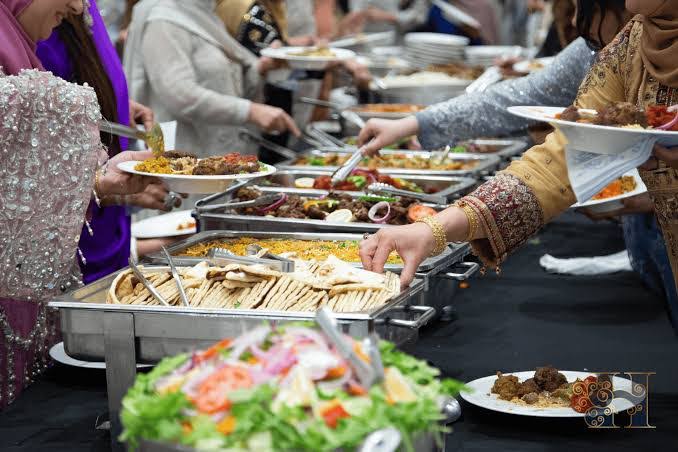
An experienced catering team can help coordinate food service with the wider event schedule. Families planning professional event catering services in Karachi should review the available menu and service arrangements according to their event requirements.
Coordinate Vendors and Event Setup Across All Functions
A multi-day wedding involves several vendors working across different schedules. These may include decorators, caterers, photographers, videographers, sound technicians, entertainment teams, and venue representatives.
The challenge is not simply booking these vendors. Their responsibilities, arrival times, and setup requirements must also be coordinated.
Prepare a separate vendor checklist for each function. It should include:
Vendor names and contact details.
Confirmed services and agreed costs.
Venue access and setup timings.
Equipment and material requirements.
Responsible contact person for each team.
Final inspection and handover time.
For example, the décor team may need access to the venue several hours before guests arrive, while the sound team must complete equipment testing before performances begin. Photographers should also receive the event schedule so they can prepare for entrances, family portraits, and other important moments.
Keep one master contact sheet and share the relevant schedule with each vendor. This reduces confusion when several teams are working at different venues or on consecutive days.
Families managing multiple vendors can also work with an event management company in Karachi to coordinate planning, production, and on-site arrangements under a more organized process.
Build a Master Wedding Timeline and Prepare for Last-Minute Changes
A clear timeline connects all wedding functions and gives every vendor a shared understanding of the schedule. Without one, small delays can affect photography, food service, performances, and guest movement.
Create a master timeline that covers the full wedding period. Include booking deadlines, vendor confirmations, venue inspections, setup schedules, and the timings of each function.
A practical planning sequence could look like this:
Several months before the wedding
Finalize the overall budget and estimated guest count.
Select dates and book the venues.
Shortlist décor, catering, and photography teams.
Discuss the theme and requirements of each function.
One to two months before the wedding
Confirm menus and décor designs.
Finalize vendor agreements and service details.
Review guest lists and seating requirements.
Confirm entertainment and photography schedules.
One to two weeks before the wedding
Reconfirm all vendor bookings.
Share the final event schedule with relevant teams.
Check venue access, equipment, and setup arrangements.
Review transport, parking, and guest coordination.
On each event day
Assign a responsible person to supervise arrangements.
Check décor, lighting, sound, and catering before guest arrival.
Keep important vendor contacts accessible.
Allow flexibility for delays and unexpected changes.
Weather changes, late arrivals, Baraat, and last-minute guest additions can still happen despite careful planning. Keep backup arrangements for important services and make sure one designated person can communicate decisions to the relevant teams.
Common Mistakes to Avoid When Planning a Multi-Day Wedding
Even well-planned celebrations can face problems when important details are overlooked. Some common mistakes include:
Treating every function as the same event: Mehndi, Baraat, and Walima have different requirements. Reusing the same setup and schedule without considering their purpose can affect the guest experience.
Finalizing bookings without confirming guest numbers: Underestimating attendance can create seating and catering problems. Keep guest estimates updated before confirming final arrangements.
Ignoring travel time between venues: When functions take place at different locations, traffic and parking can delay guests and vendors. Include realistic travel time in the schedule.
Leaving vendor coordination until the last minute: Vendors need clear instructions.